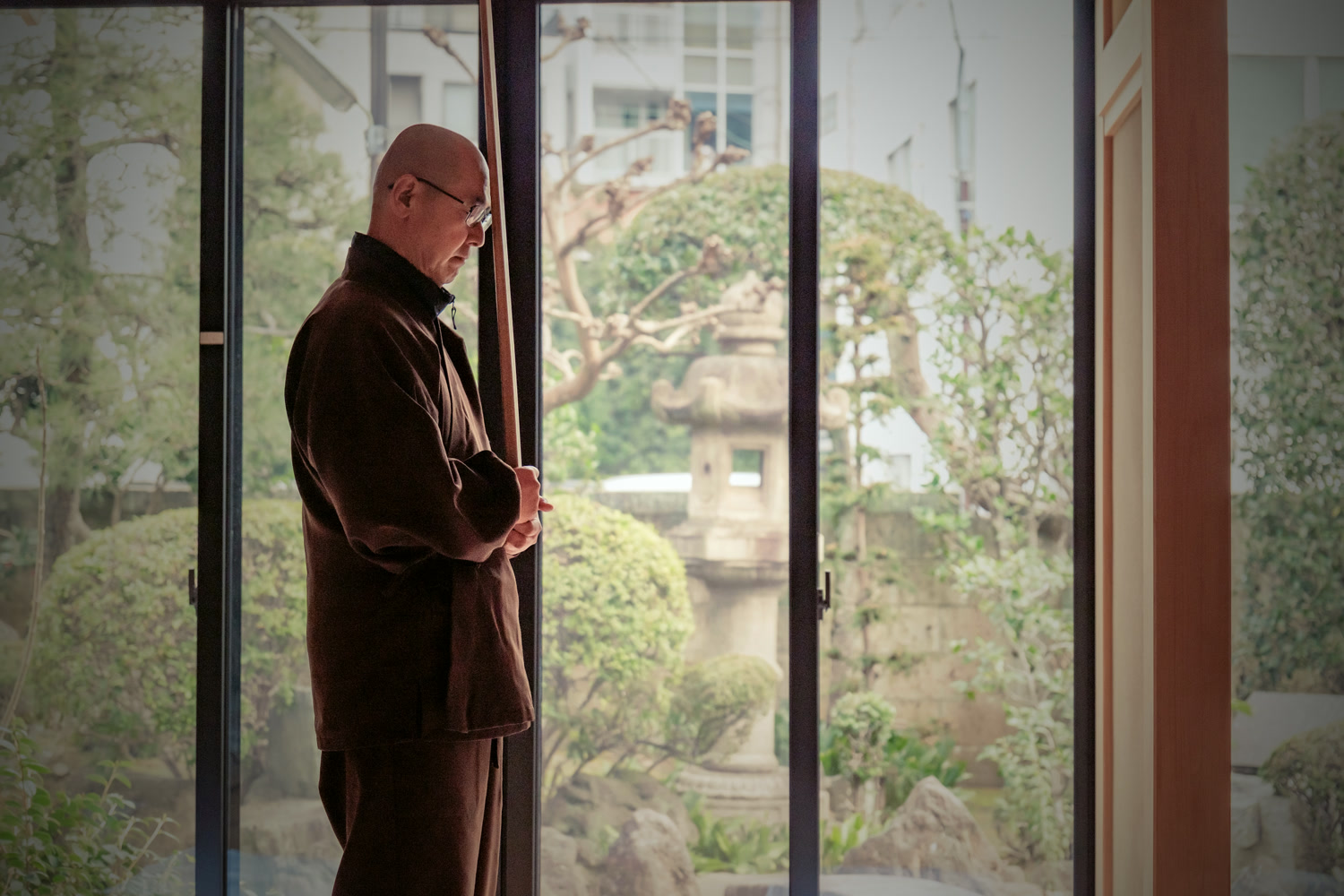
01PRIVATE
One to one, and quiet.
Sit with the monk, just the two of you. Then work through what you are carrying, one thing at a time, until you can decide.
 THE OTHER SIDES
A place where executives carrying something with no bottom in sight can stop holding it in.
Zen: a philosophy that has come through crisis after crisis, from the Kamakura era to now.
What receives you is monks who have carried its meaning across the centuries.
Before I decide, I want to talk to someone who knows the pain.
I want somewhere quiet, and someone to think it through with.
I want to see it another way.
Kazuo Inamori, the founder of Kyocera, took Buddhist vows at a Zen temple at the age of sixty-five. Steve Jobs, the founder of Apple, sat with a Zen priest from his twenties onward. Why did people carrying the heaviest decisions turn to Zen?
What President-ZEN offers is not doctrine, and not etiquette. It is a Zen that is yours alone — a way, a place, and the hours to go and see what lies beyond your own thinking.
The Japanese word for economy, keizai, is a contraction of keisei-saimin. It comes from the Chinese classics, and it meant putting a society in order so that ordinary people could make a living. Not moving numbers. Keeping people going.
This is what the head priest of a temple does. Running the place is how they do it: keeping the buildings standing, standing between people, raising the one who will take over. Somewhere that has stood for centuries, now in their hands.
Management happens between people. So knowing people is, in itself, a kind of competence. What the monk has spent a life studying is what a person is.
Zen does not hand you answers. Sitting with a master who has sat for years, the thoughts you have had — and the ones you never reached — begin to show their outline. A time to stop leaning on borrowed words and look for the answer already in you. Helping you do that is what the monk is for.
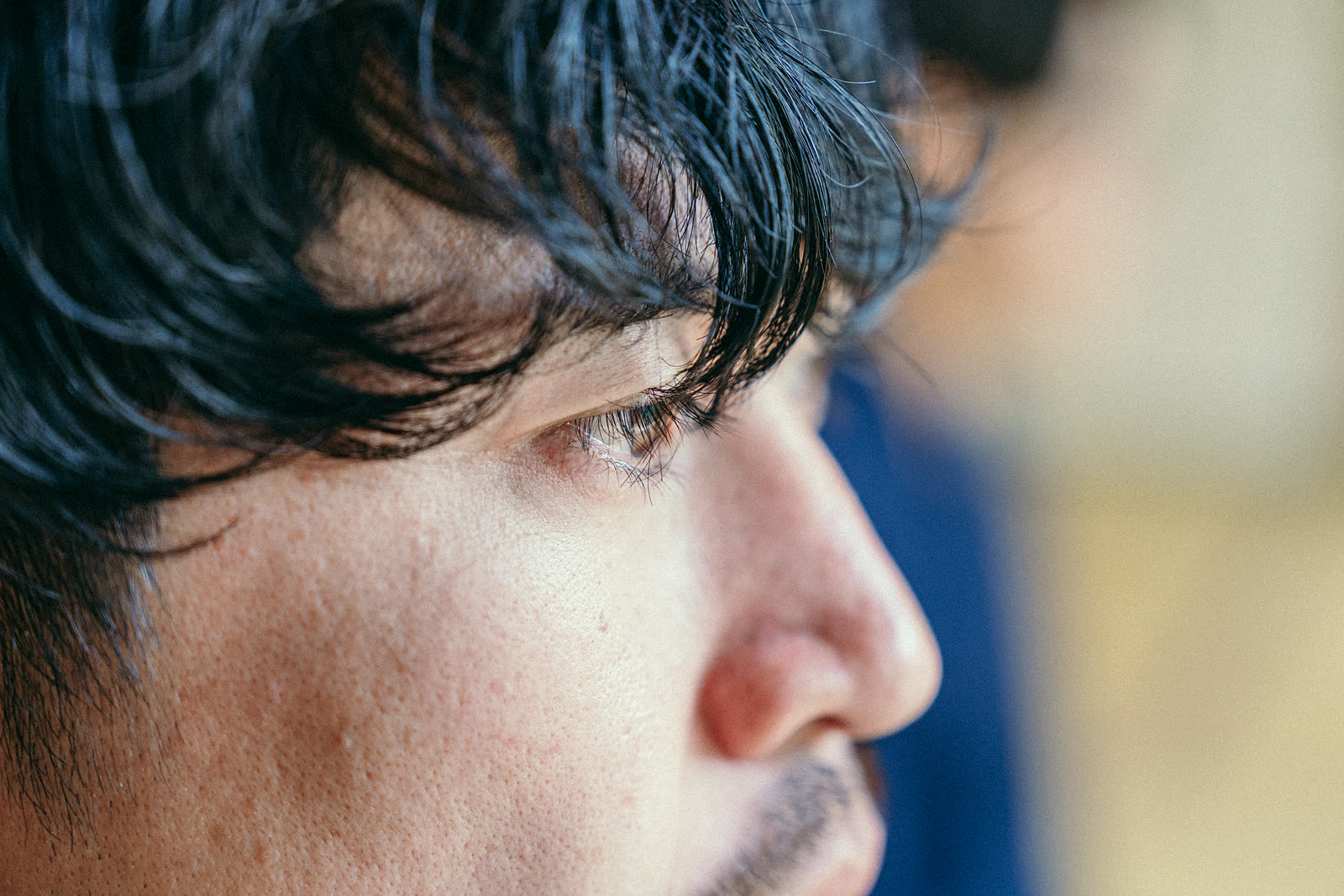
Sit with the monk, just the two of you. Then work through what you are carrying, one thing at a time, until you can decide.
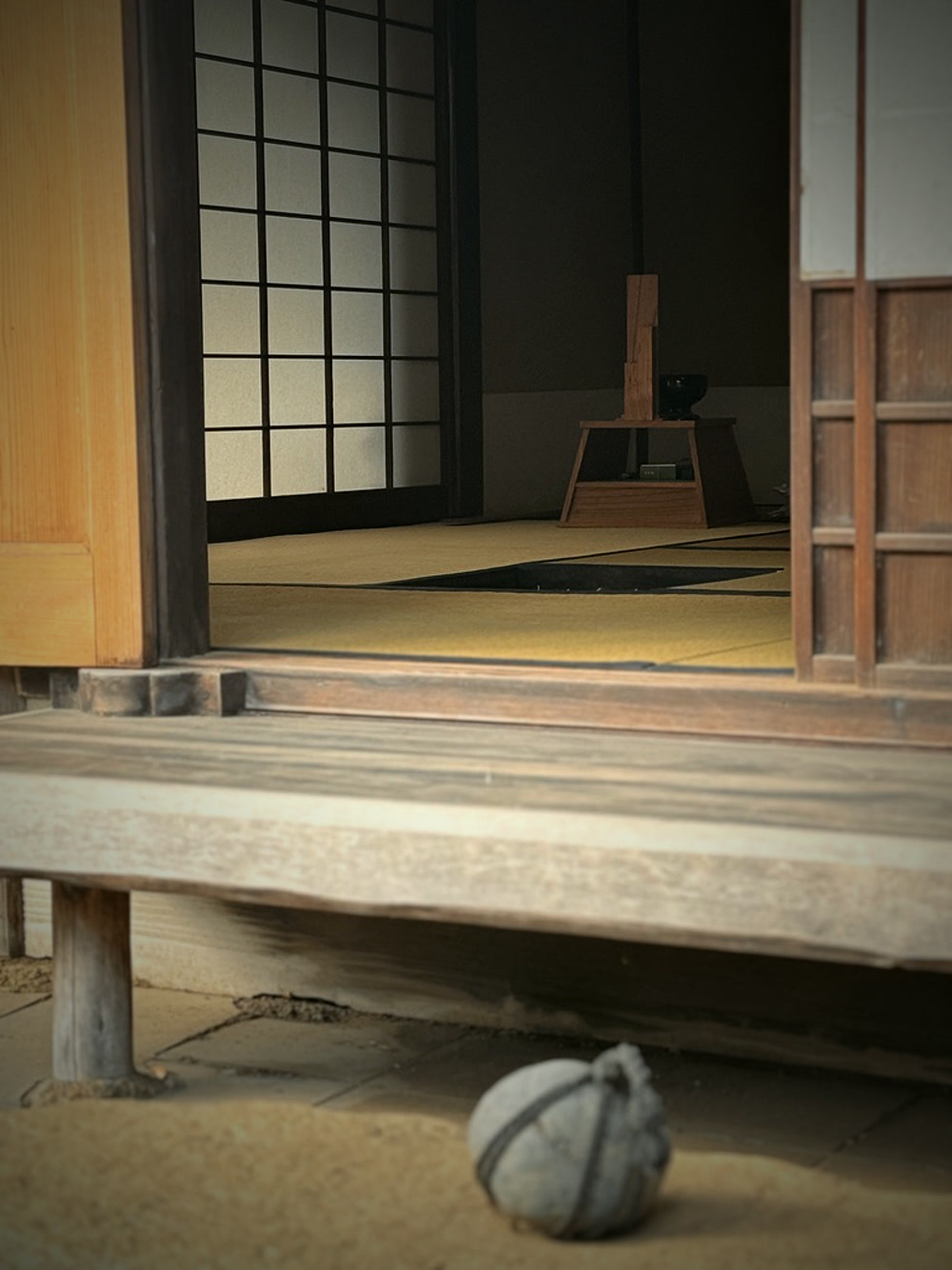
A regular gathering that goes deeper into the culture around Zen — tea ceremony, calligraphy, and the rest. A place to widen what you know, and to turn it inward.
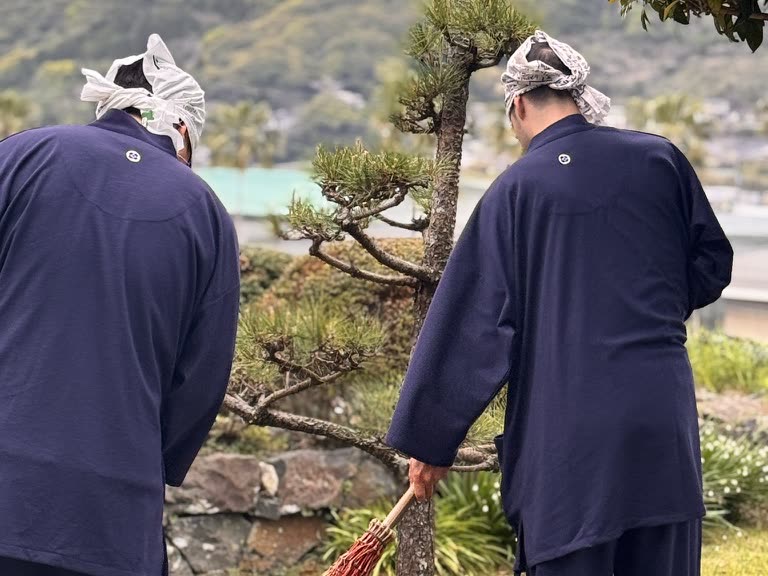
An intensive held from time to time in Nagano, Miyazaki and elsewhere. Not a cultural experience: you live the hard daily life of a training monk as it really is. At the limit is where what is inside you comes into view.
Japan has more than twenty thousand Zen temples, and many of them are buildings with centuries of history behind them. What is remarkable is that keeping them standing rests on the care of individual monks. Through this work, President-ZEN contributes to keeping temples of cultural value standing.